
 01
018 MPa and above
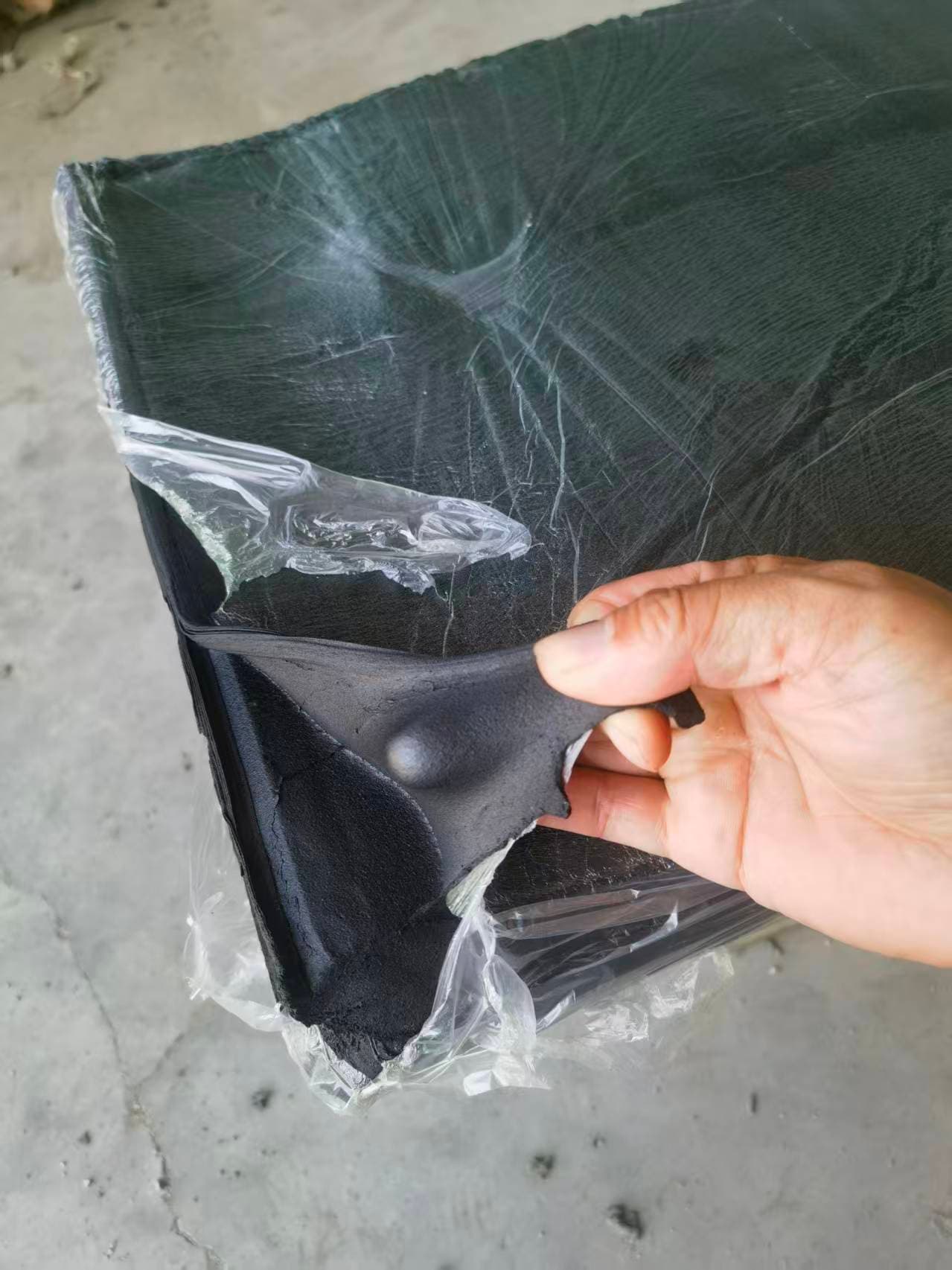
Top-grade Tread Reclaimed Rubber
Produced from selected truck radial tyre tread material and refined for high rubber-hydrocarbon content, elasticity, tear resistance, and abrasion-oriented compound work.
 Xinyuan RubberReclaimed material engineering
Precision energy · Reclaimed material
Five application-led grades, clear typical specifications, and a four-stage production route built for serious formulation conversations.
*Selected-grade, provider specification; confirm the current batch data sheet.
Material portfolio
Start with feedstock, typical tensile range, processing role, and target application—then confirm current batch data with our team.
018 MPa and above
Produced from selected truck radial tyre tread material and refined for high rubber-hydrocarbon content, elasticity, tear resistance, and abrasion-oriented compound work.
 02
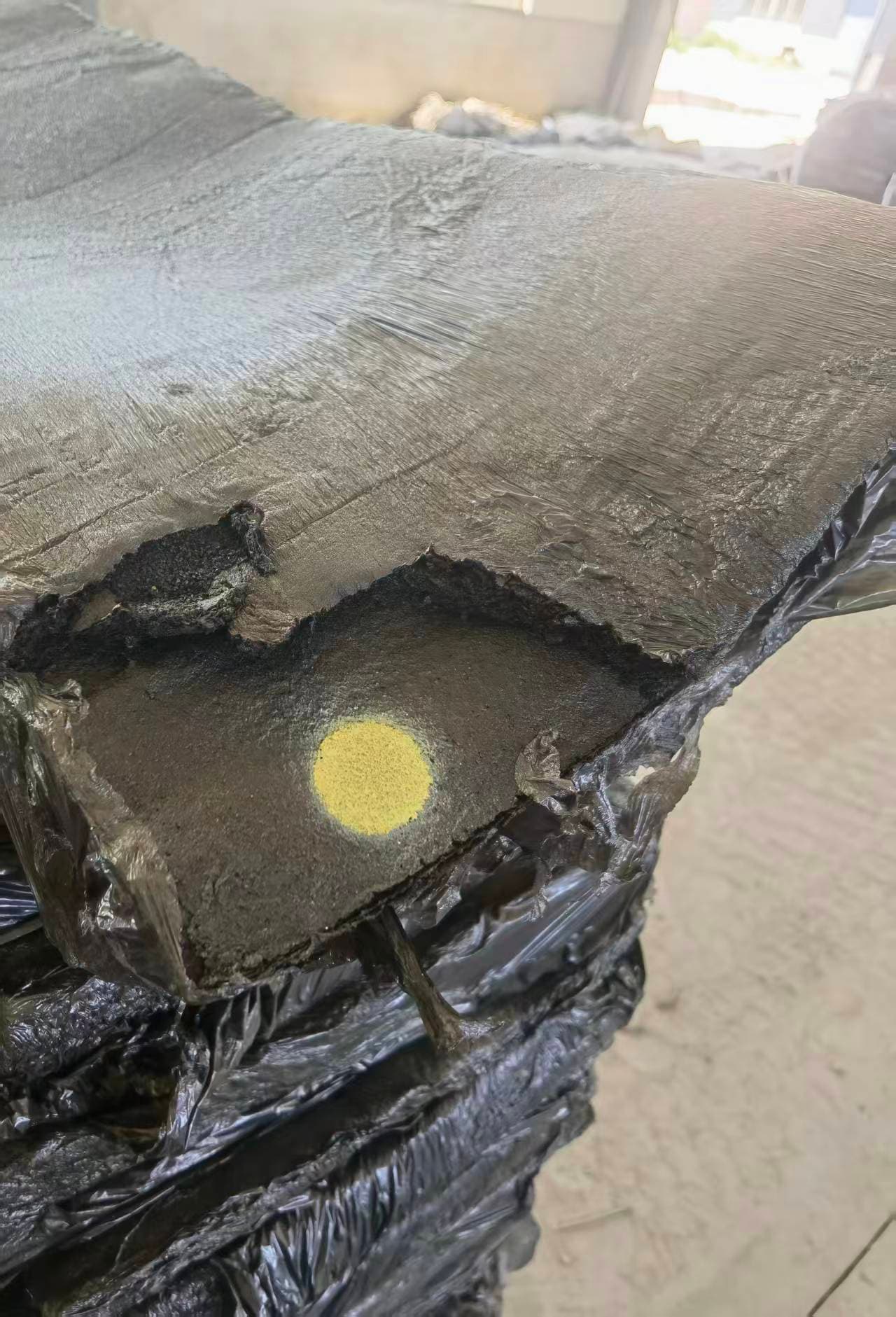
025–8 MPa
A cost-balanced grade based on tyre carcass or whole-tyre crumb, developed for practical mixing flow and stable curing-oriented handling.
 03
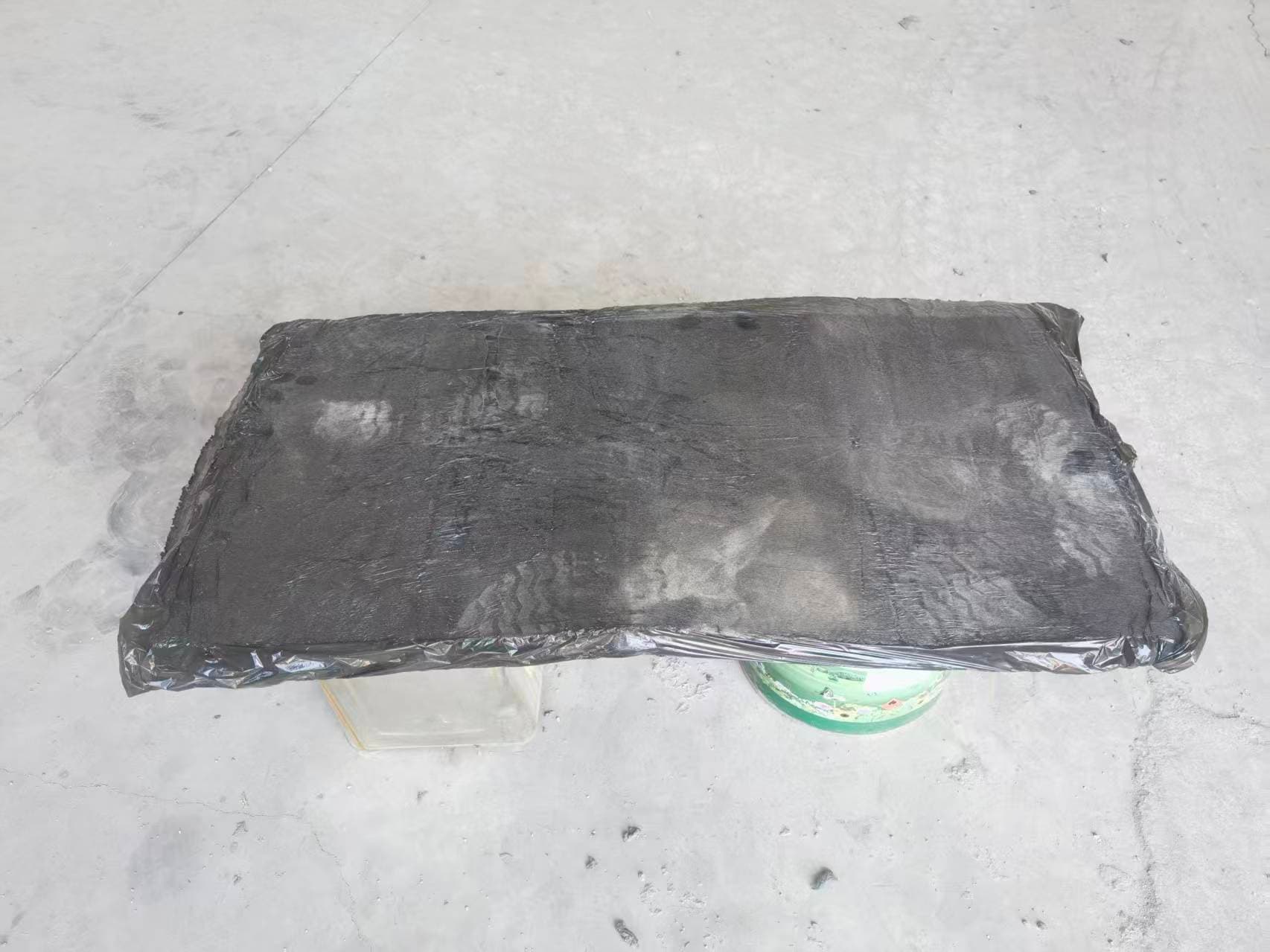
03Application-led grade
Made from sorted mixed non-tyre rubber feedstock for flexible, cost-conscious formulation work where basic elasticity and filler contribution are important.
 04
04Application-led grade
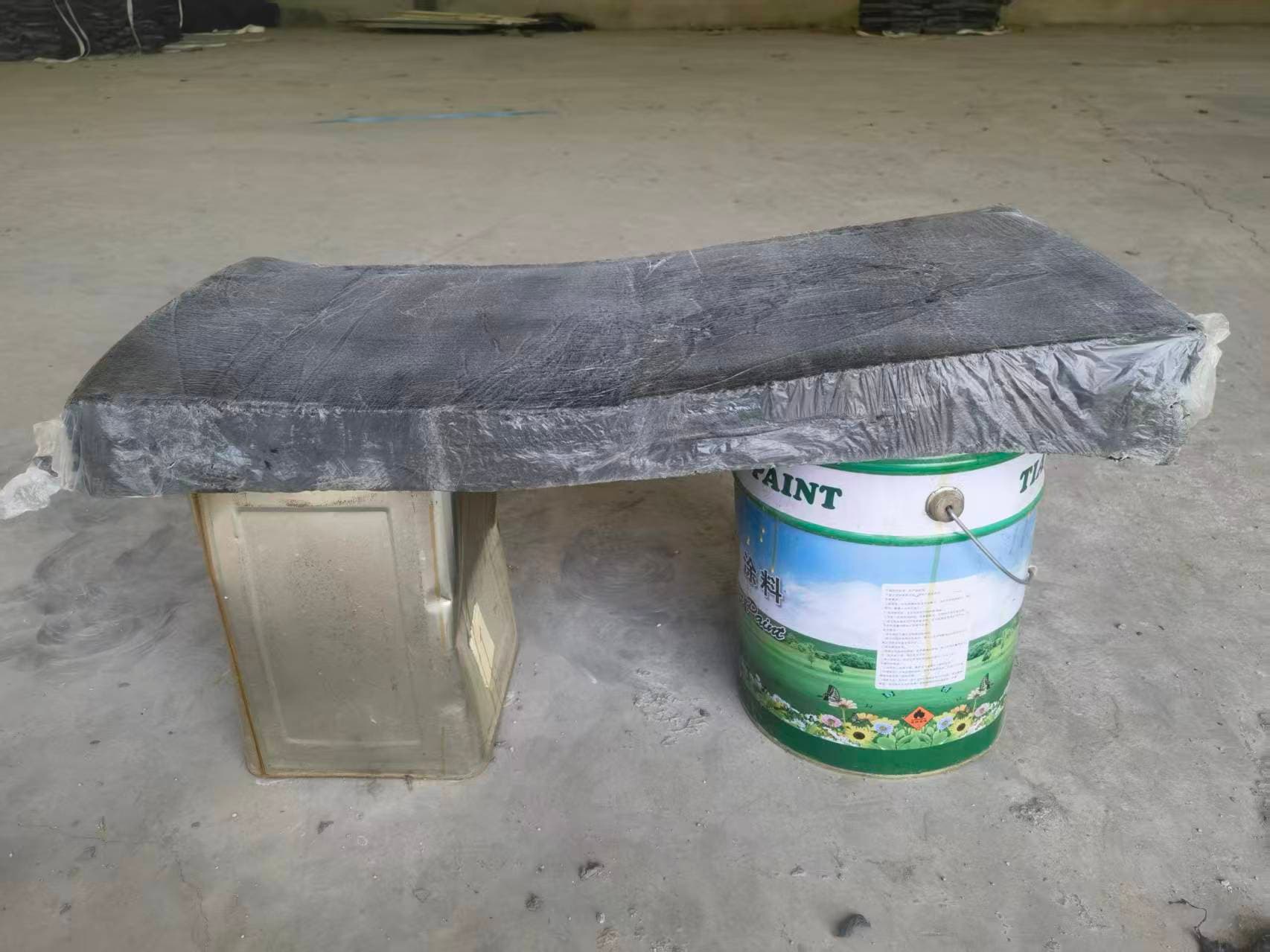
Developed for colour-sensitive compounds where reduced colour migration and cleaner surface appearance are important.
 05
0511 MPa and above
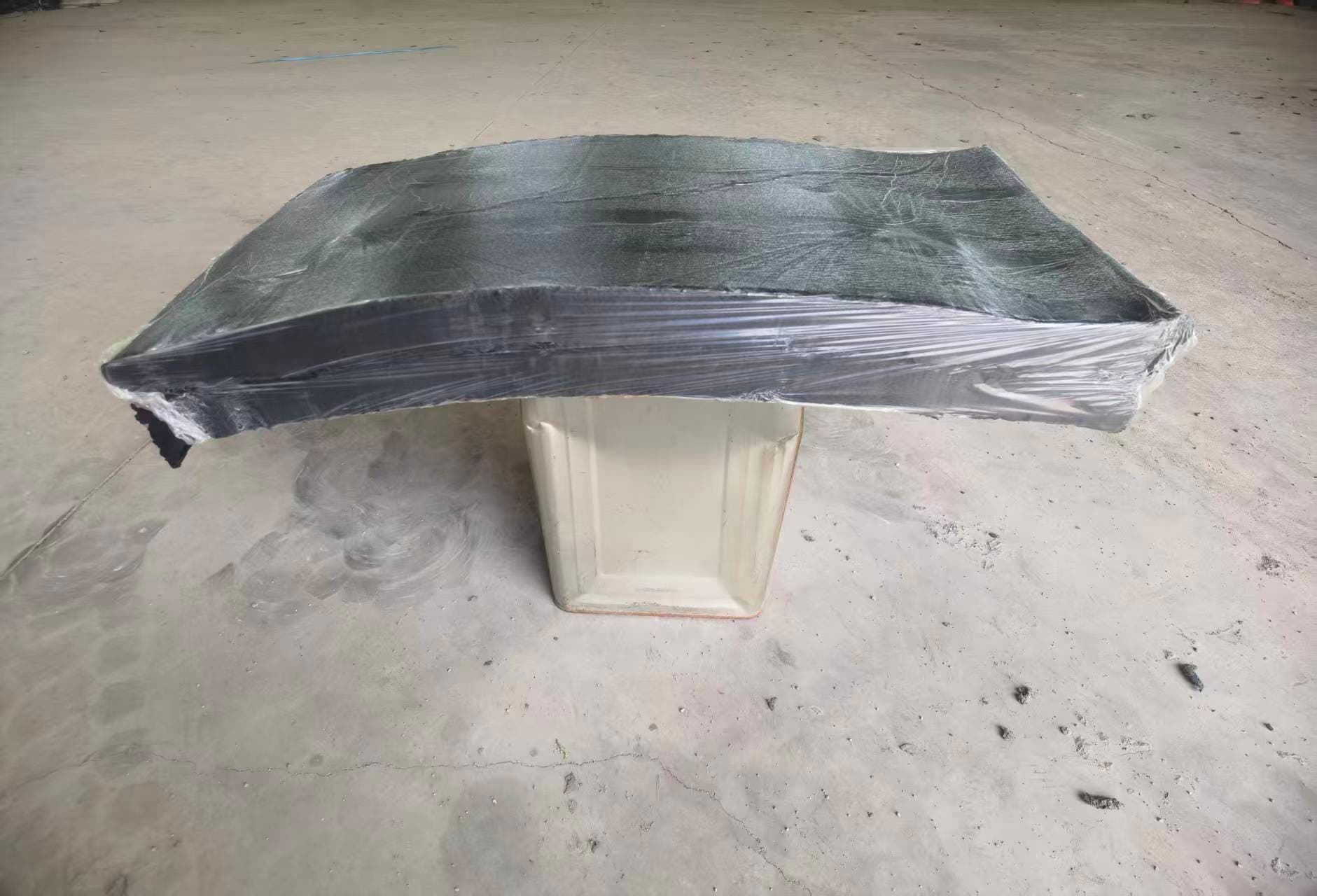
Produced from selected high-grade truck radial tyre tread feedstock through fine processing for higher-strength formulation work.
Four-stage route
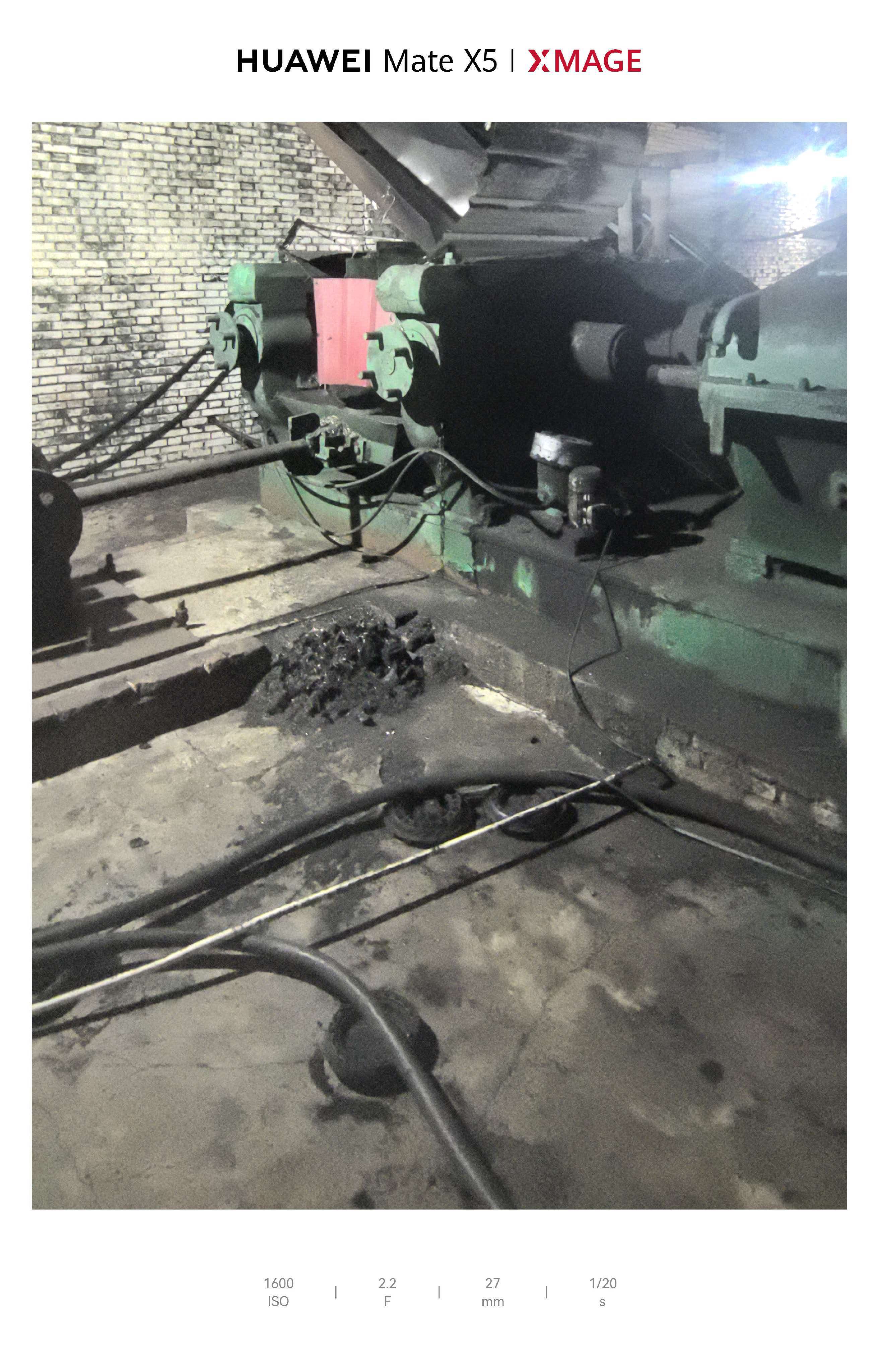
Real workshop photography follows the material through crushing, dynamic devulcanization, mastication, and final refining.
Whole tyre-rubber feedstock is broken down in the crushing line and ground into rice-grain-sized rubber granules, the starting material for every subsequent stage.
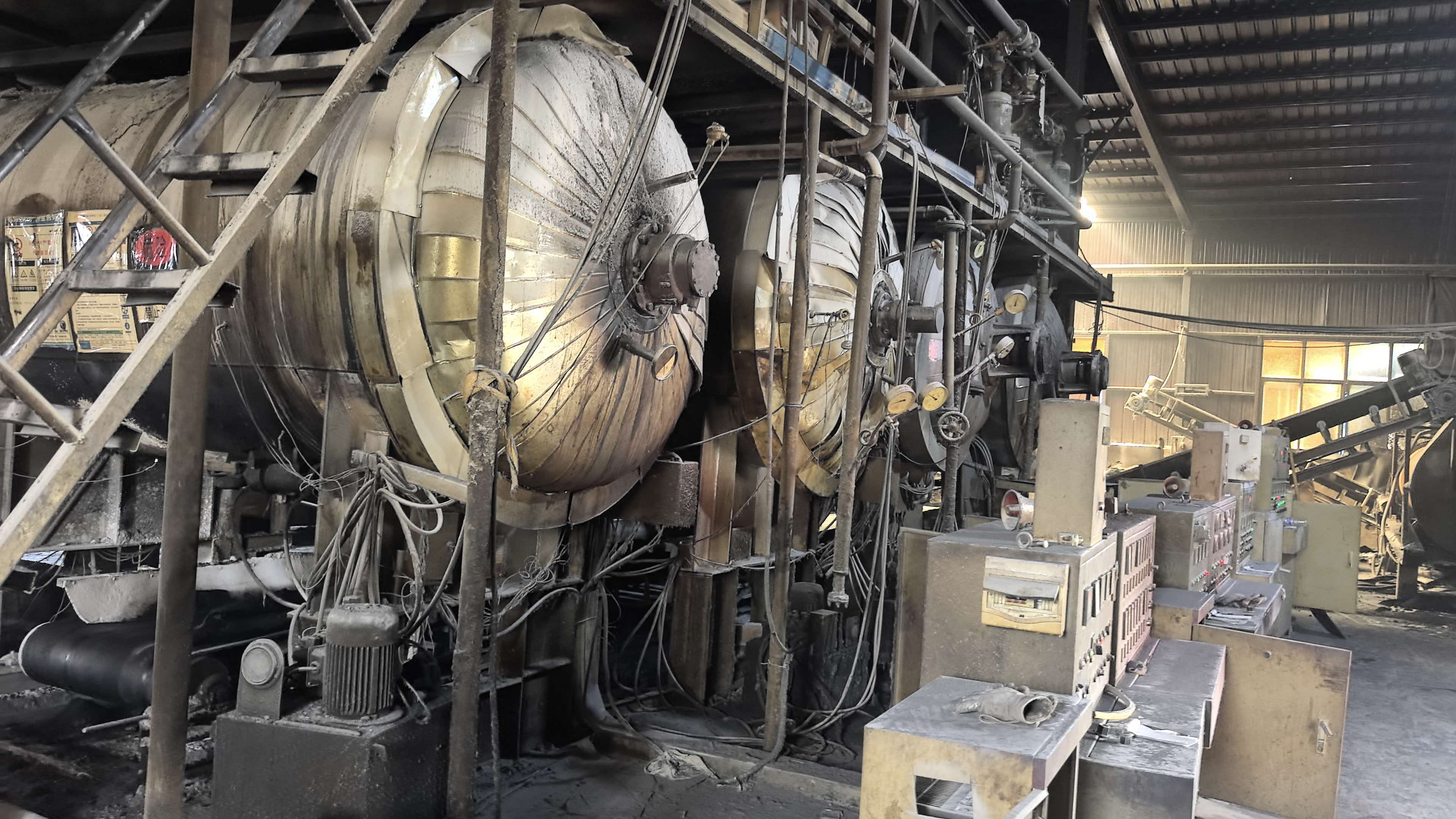
Rubber granules are combined with softening agent, activator, and a measured amount of water, then loaded into a devulcanization vessel and processed under high temperature and high pressure.
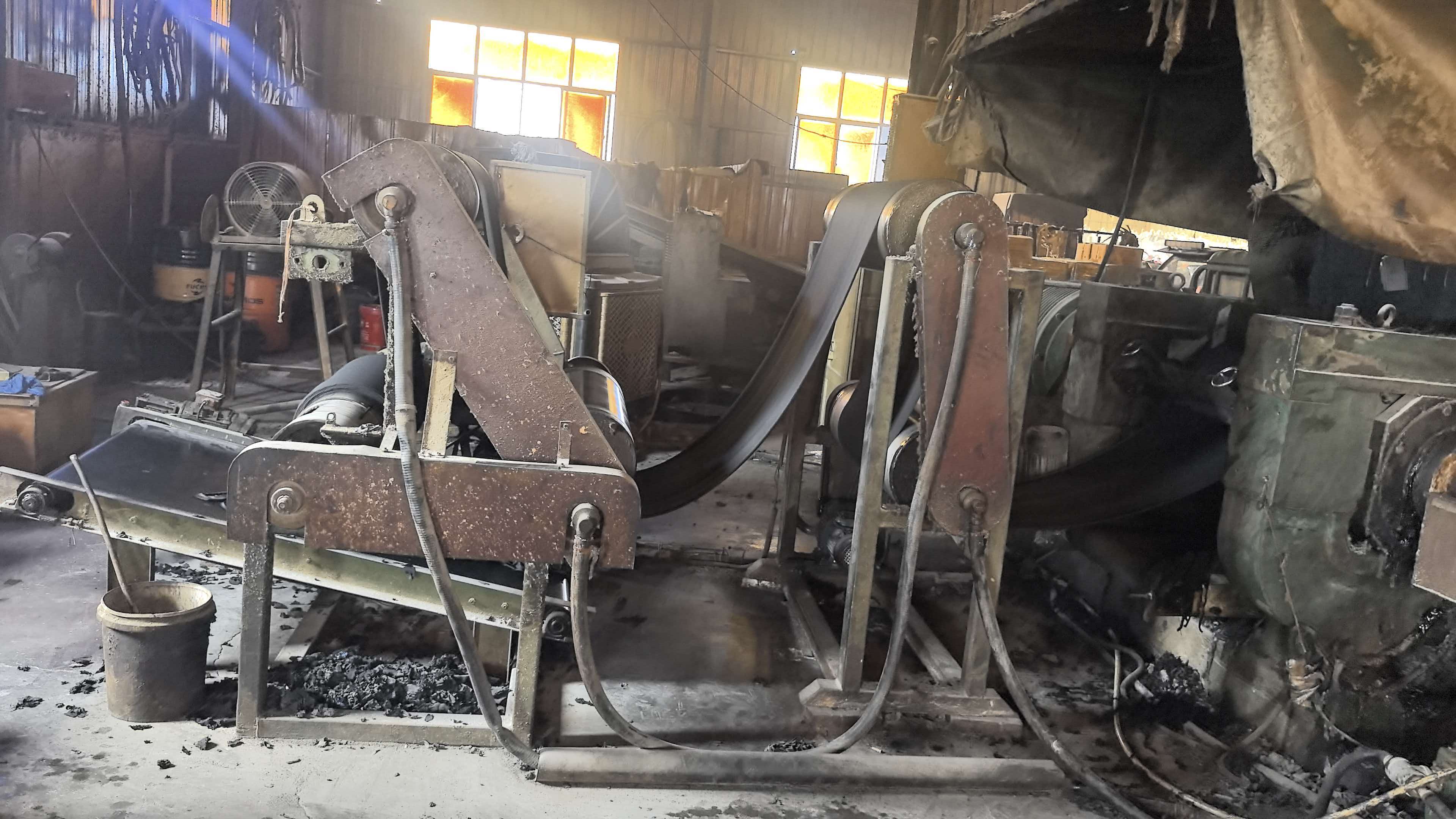
Devulcanized rubber is fed into an open mill for initial mastication, developing the plasticity and consistency required before refining.
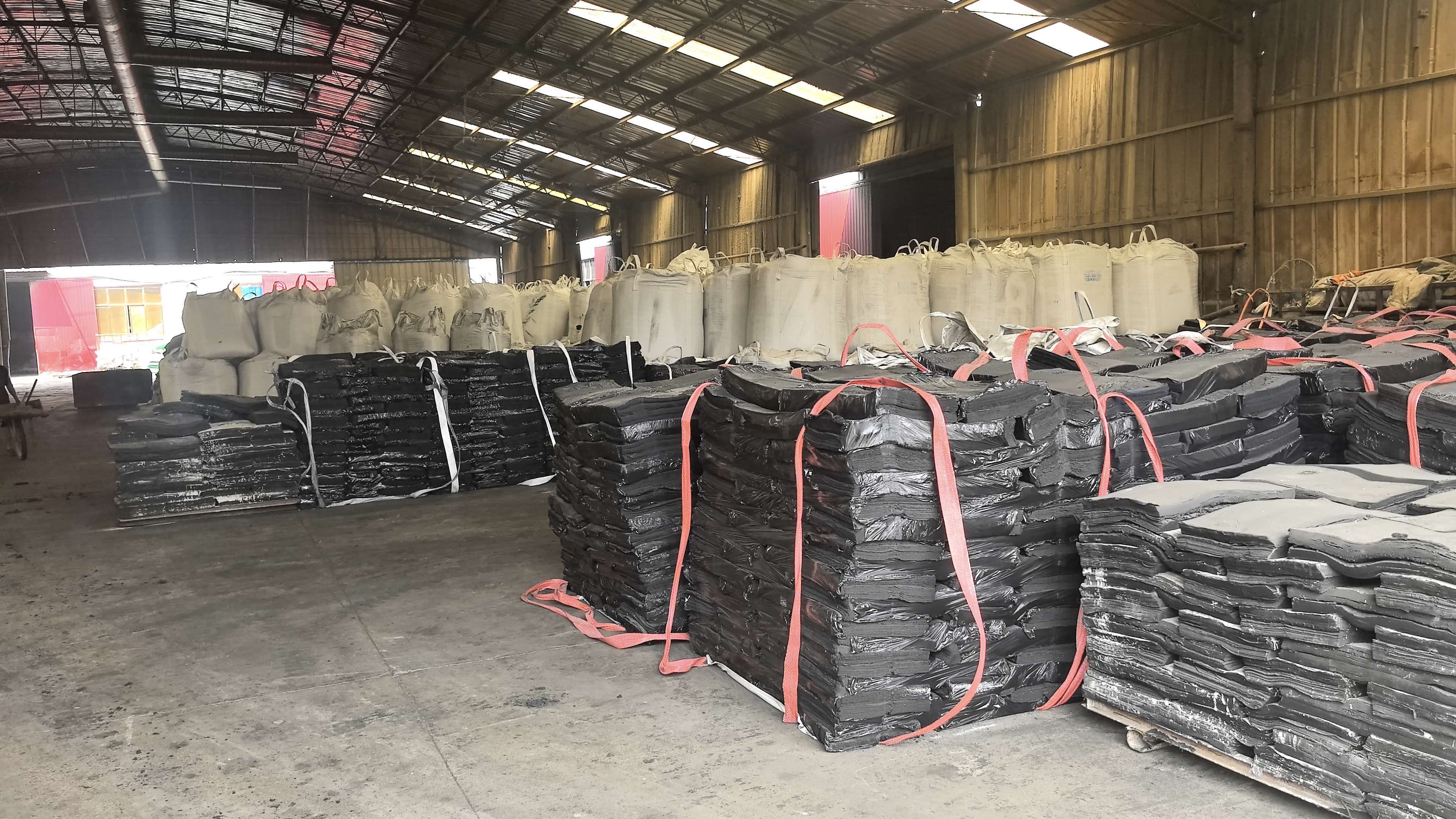
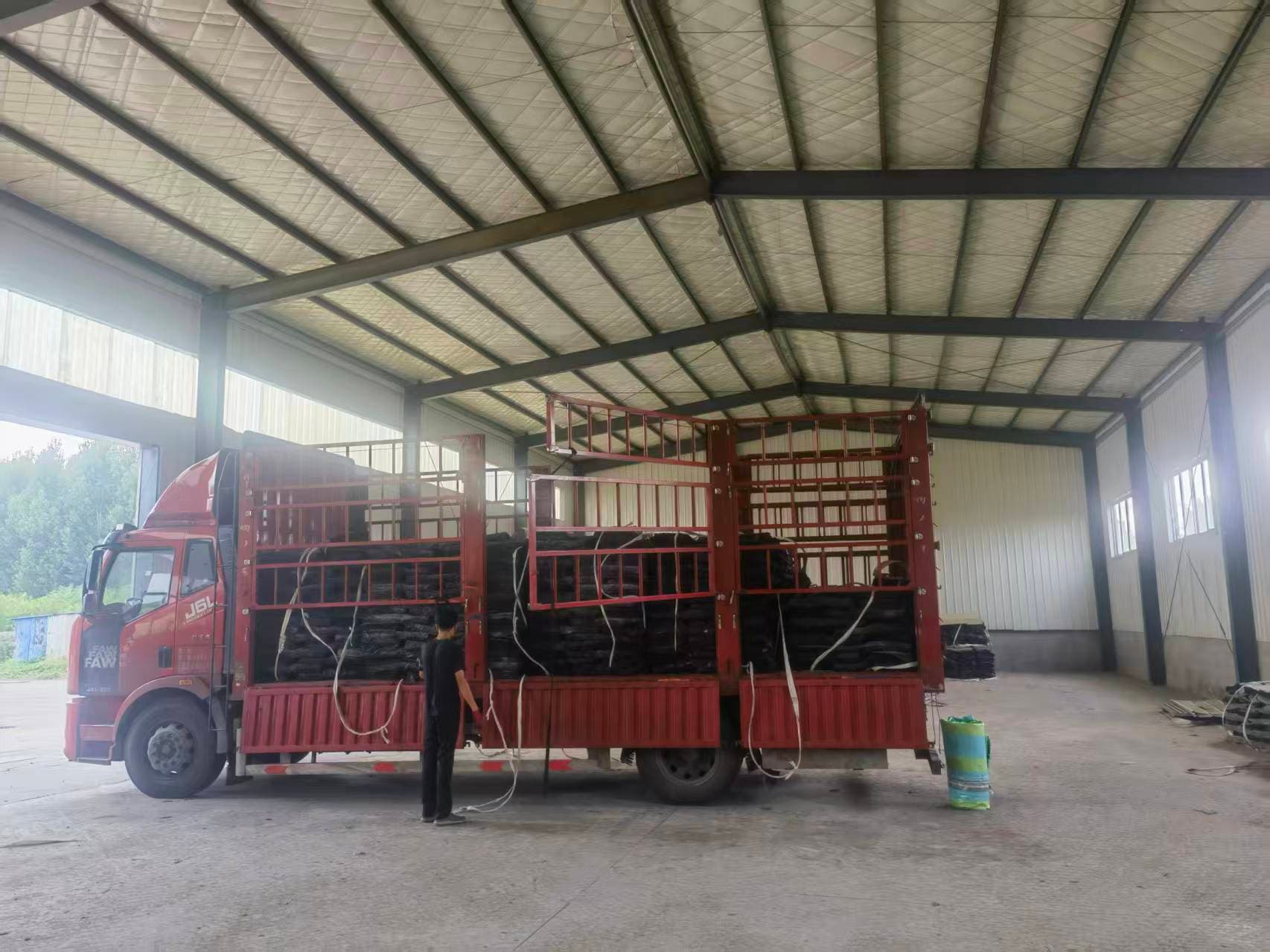
Initially masticated rubber sheet is fed into the refining mill, sheeted out, weighed, formed into 20 kg units, and moved into the warehouse ready for shipment.
Application map
Application categories describe typical use. Final suitability depends on your formulation, process, and validation.
Explore applicationsTread compounds, carcass work, and conveyor cover or carcass formulations.
02Outsole, midsole, and appearance-sensitive footwear materials.
03Interior components, V-belts, and general industrial rubber parts.
04Barbell, dumbbell, and other appearance- and performance-sensitive sports products.
05Rubber tiles, vibration pads, waterproofing, and agricultural rubber parts.
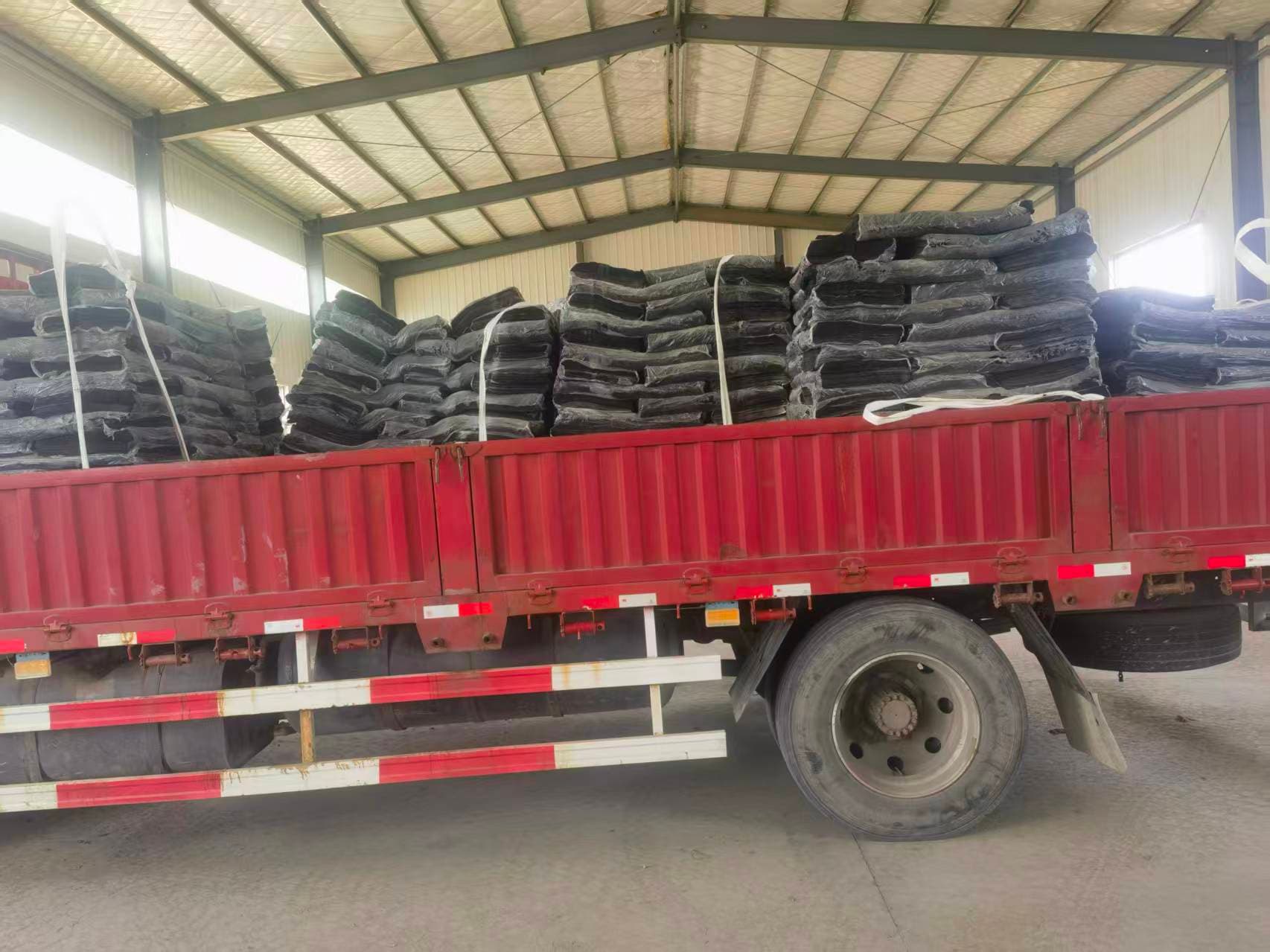
Quality communication
Size, material, colour, and process requirements can be discussed according to your actual formulation needs. We work from typical/provider specifications for each grade and confirm current batch data before committing to a formulation.
Samples can be discussed according to your requirements. Small sample quantities may be available without material charge, while buyers covering freight can discuss small quantities more broadly. Sample shipping timing depends on destination and order details.
Order-specific pricing is discussed according to grade, quantity, packing, and destination. Submit an inquiry with your product interest and estimated quantity, and our team will follow up with a quotation.
Technical data sheets and inspection reports can be confirmed according to product and order requirements. Please specify the grade and information you need when you submit your inquiry.
Reclaimed rubber properties can vary between batches due to feedstock. Samples and bulk batches are not automatically identical without agreed inspection criteria, so we recommend confirming acceptance criteria with us before bulk production.
Start with your compound
We will coordinate product selection, current documentation, samples, quantity, and order-specific requirements.
Start an RFQ